Pollinator Week 2025 (June 16-22) is a celebration of pollinators in our ecosystem and a time to raise awareness for the critical mission of protecting these important creatures. Pollinators move pollen within or between flowers, sustaining plant life and biodiversity. Including bees, butterflies, moths, bats, beetles, and hummingbirds, the term “pollinator” describes any creature that provides for an ecosystem by helping plants reproduce. Pollinators are essential to food systems, strengthening plants that produce fruits, vegetables, and nuts. By sustaining plant life, pollinators strengthen food security, biodiversity, and climate resilience. Read on to learn more about how composting can contribute to a vibrant ecosystem conducive to pollinators and healthy plants.
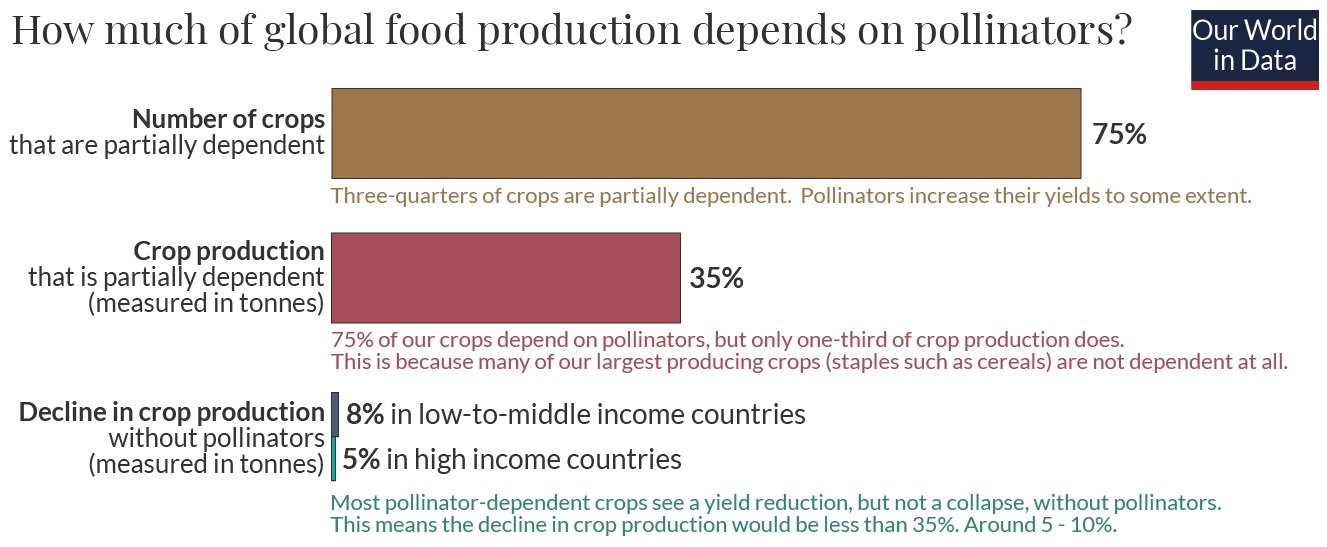
Sources: Marcelo Aizen et al. (2019) and Alexandra-Maria Klein et al. (2006).
OurWorldinData.org - Research and data to make progress against the world's largest problems. Licensed under CC-BY by the author Hannah
Pollinator populations around the world are in decline. They are facing habitat loss, increased disease, and adverse effects of climate change. According to a report by the UN’s Intergovernmental Panel for Biodiversity Ecosystem Services (IPBES) pollinator assessment, around 40% of invertebrate pollinator species are in danger of extinction. In North America, 25% of all bumblebee species are threatened, according to the Xerces Society, and a study by Forister et al. found a 1.6% decline across all butterfly species annually over the past four decades. Some species face even sharper declines, with monarch butterflies undergoing a 95% reduction since the 1980s, according to the U.S. Fish and Wildlife Service.
A contributor to this problem is loss of native plants. Many pollinating insects have symbiotic relationships with specific native plant species, and when foreign vegetation is introduced instead, pollinators are unable to take advantage of pollen resources. As native habitats are erased, pollinators suffer, bringing vulnerability to ecosystems and agriculture production.
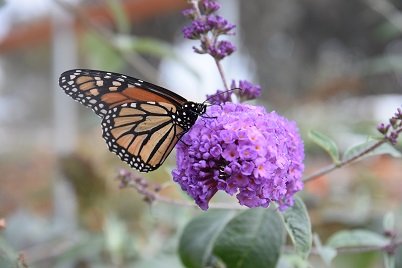
The monarch butterfly has been identified as a Species of Greatest Conservation Need in California's State Wildlife Action Plan. This pollinator relies on the milkweed plant for breeding.
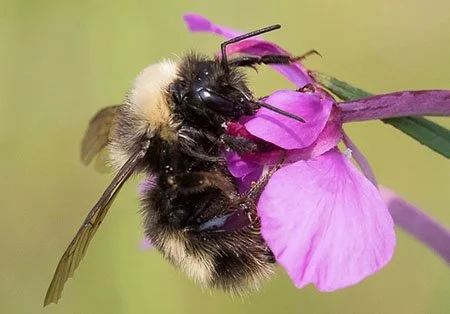
The Western bumblebee, along with many other bumblebee species, face declining populations due to the same factors impacting monarch butterflies: habitat loss, climate change, and disease. Bumblebees are critical to a thriving and biodiverse habitat because their unique behaviors such as “buzz pollination” and long lifespan make them particularly effective pollinators.
How does compost factor into this?
Compost is the process by which organic waste is converted into fertile material. It provides soil with essential nutrients such as nitrogen, potassium, and phosphorus. This process improves soil structure by promoting soil aggregation, improving air and water movement through the organic material. This can enhance water retention in sandy soils and improve aeration in clay-heavy soils. During the compost process, bacteria and fungi work to break down organic matter, so composting strengthens soil microbes. These factors all contribute to an ecosystem that supports strong, nutrient rich plants, which produce more flowers and attract pollinators. This healthy ecosystem fights harmful organisms, meaning compost also discourages disease and pests from attacking plants.
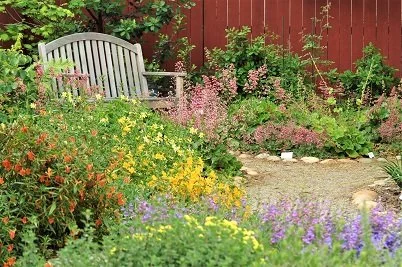
Pollinator Garden: California Department of Fish and Wildlife
Compost plays a vital role in supporting pollinators by fostering the healthy plant life upon which they rely. By enriching soil with essential nutrients, improving its structure, and promoting beneficial microbial activity, compost creates ideal conditions for plants to thrive and produce abundant flowers. These flowers attract and sustain pollinators, which promote plant growth and agricultural abundance. In a time when pollinator populations are in decline, composting is a natural way to strengthen ecosystems and contribute to a more resilient environment.