

Wildfires and Climate Change
In California, wildfires have increasingly become a major threat, causing significant ecological damage and endangering the safety of communities. For Angelenos, the reality of living with wildfire risk is nothing new. The 2025 Eaton and Palisades fires stand among the most destructive wildfires in the state’s history, destroying homes, displacing residents, and leaving long-lasting scars on both the land and the people who call it home.
Regardless of their origin, the risk of wildfire is magnified by the effects of climate change. Rising temperatures, prolonged droughts, and shifting precipitation patterns have created hotter, drier environments across California, extending fire seasons and making vegetation more susceptible to ignition. These conditions not only increase the likelihood of a fire starting but also make it more difficult to control once it spreads. Addressing the wildfire crisis requires a multi-pronged approach—one that combines improved prevention measures, better land management practices, and climate action to reduce future risk.
Why Soil Health Matters for Wildfire Resiliency
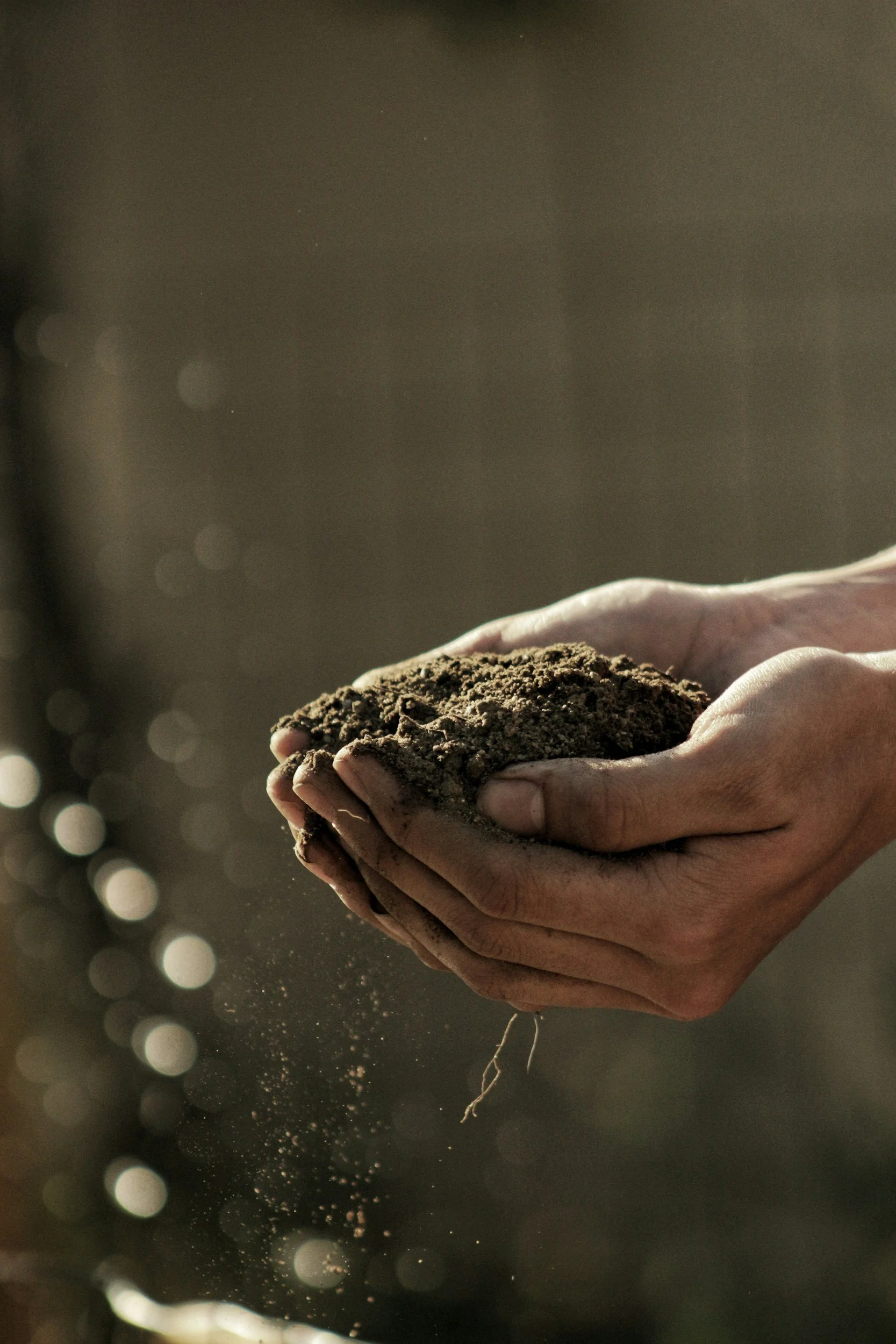
Healthy soil plays a critical role in creating fire-resilient landscapes. Soil rich in organic matter can hold water, nourish plants, and support biodiversity, all of which help reduce the risk and severity of wildfires. Soils rich in organic matter can hold up to 10 times their weight in water, keeping vegetation more hydrated and less flammable.
Native plants, which have evolved to thrive in California’s climate, are particularly important—they typically require less water, provide habitat for wildlife, and have root systems that stabilize soil and reduce erosion after a fire. Together, healthy soil and native vegetation form a natural defense system that can slow fire spread and help landscapes recover more quickly.
How Can Compost Help Support Depleted Soil?
Dry, nutrient-poor soils support sparse, weak vegetation that dries out quickly, creating more flammable conditions and making landscapes less resilient to fire damage. Applying compost to depleted soil adds organic matter back into the ground and improves its ability to sustain healthy plant growth. Compost creates pore spaces in the soil that absorb and retain water, even during dry periods, while also reducing water runoff and evaporation.
Here’s how it helps during wildfire season:
Moisture retention: Compost helps keep soil damp, making it less likely to ignite.
Fire barrier: Compost can act as a buffer between the ground and potential ignition sources like sparks or embers.

Supporting Community-driven Climate Solutions
Composting and improving soil health is a simple, local way to support wildfire resiliency. Even if you don’t compost at home, donating your scraps helps protect our communities. When you bring your food scraps to us, they stay in LA County and are turned into nutrient-rich compost that strengthens soil, nourishes gardens, and supports native plant growth.
Looking to amend your soil?
Get free, community-made compost at an upcoming distribution near you.
Sources: